Table of contents
Step into the inviting world of casual Italian eateries with multiple locations, where authentic flavors and a welcoming atmosphere come together. Discover how these beloved dining spots capture the essence of Italy’s culinary spirit and make classic dishes accessible to everyone. Uncover what sets them apart and why their charm continues to delight food lovers across cities—this exploration promises insights that will feed both your curiosity and your appetite.
Atmosphere of relaxed dining
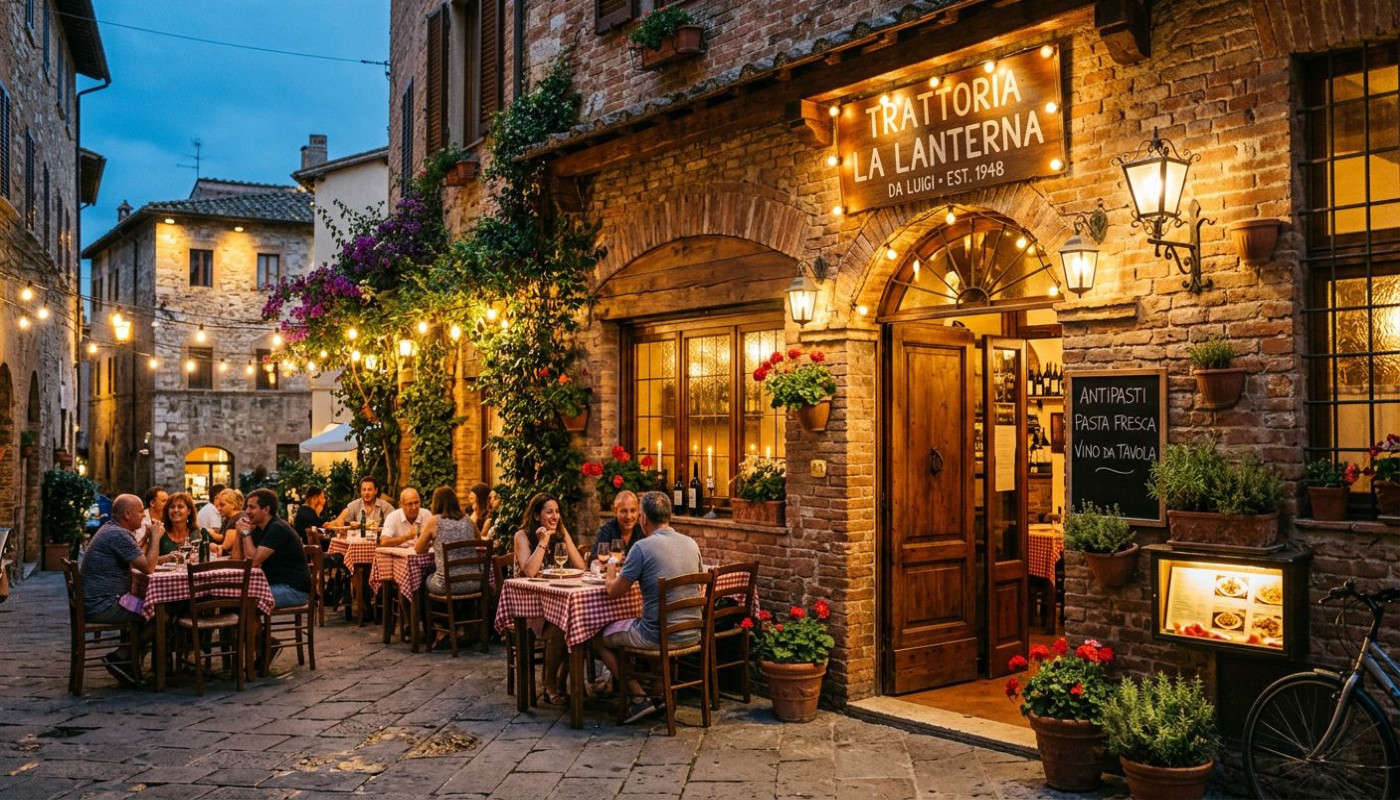
Casual Italian restaurant atmosphere is defined by a warm, welcoming ambiance that draws inspiration from traditional trattorias, blended with the nuanced comforts of a modern cozy eatery. Spatial layout plays a significant role in fostering relaxed dining, with open yet intimate seating arrangements encouraging guests to unwind and socialize. Tables are often arranged to allow privacy without feeling isolated, while communal seating options reflect the convivial nature of Italian gatherings. Subtle design touches, such as rustic brick accents, soft lighting, and touches of greenery, further enhance the Italian ambiance and make patrons feel at home.
Ambient music, carefully curated to evoke an informal Italian dining vibe, serves as a gentle backdrop without overpowering conversation, reinforcing the sense of ease that characterizes these establishments. Multiple-location casual Italian restaurants maintain this signature relaxed dining atmosphere across their branches by ensuring consistent interior themes, such as wooden furnishings and vintage art that echo the heritage of Italy. By attending to every detail, from the spatial layout to the soothing melodies and tactile decor, these eateries provide a consistent, enjoyable space where guests feel comfortable lingering over every course and savoring the experience.
Freshness at the heart
Casual Italian eateries with multiple locations distinguish themselves by placing fresh Italian ingredients at the forefront of their culinary philosophy. From hand-tossed pizzas boasting vibrant San Marzano tomatoes to house-made pastas prepared each morning, daily food preparation is a foundational practice. These establishments commonly adopt a farm-to-table approach, diligently sourcing local produce Italian markets offer to guarantee peak ripeness and optimal flavor. The chefs and kitchen staff meticulously wash, chop, and assemble components just hours before serving, ensuring authentic Italian flavors are never compromised. The constant attention to Italian food quality is evident not only in taste but also in the lively textures and inviting aromas that greet diners at every meal. This dedication to freshness creates a memorable experience, capturing the soul of regional Italian dining across each bustling location.
Diverse and accessible menus
Casual Italian eateries with multiple locations excel in providing Italian menu variety that appeals to a broad audience, thanks to thoughtful menu engineering that balances tradition and innovation. These establishments often feature accessible Italian dishes ranging from wood-fired pizzas and pasta classics like carbonara and lasagna to inventive contemporary plates that introduce unexpected flavors and ingredients. This approach ensures that loyal patrons can enjoy familiar favorites while adventurous diners can discover something new each visit, fostering both comfort and excitement in the dining experience.
In response to evolving dietary preferences, vegetarian Italian food options and gluten-free Italian selections have become prominent on these menus. Guests seeking plant-based meals can find dishes such as eggplant parmigiana, seasonal vegetable risottos, and creative salads, all crafted to deliver authentic tastes without compromise. Meanwhile, gluten-free alternatives—like pizzas with cauliflower crusts and pasta made from rice or corn flour—ensure that those with gluten sensitivities are not left behind. With a focus on inclusivity, these Italian food options make dining out enjoyable for everyone, regardless of dietary restrictions.
Menu engineering at successful multi-location Italian restaurants pays special attention to regional preferences and ingredient availability, further enhancing accessibility and satisfaction. For example, Gigi Bangkok demonstrates the global reach and adaptability of casual Italian dining, offering an extensive selection designed to accommodate a cosmopolitan clientele in the heart of Thailand while retaining the comforting essence of Italian cuisine. This strategy not only broadens the appeal of Italian food but also strengthens the brand’s reputation in diverse markets.
Consistency across locations
Maintaining Italian restaurant consistency across multiple outlets relies heavily on robust operational protocol, ensuring that every guest enjoys the same high standard of food and service regardless of location. Staff training Italian style is a foundational aspect, with comprehensive onboarding programs and regular skill refreshers that emphasize both culinary skills and guest interaction. Standardized recipes play a pivotal role by providing exact ingredient lists and detailed preparation steps, eliminating variations in taste and presentation. In addition, quality control Italian eateries employ thorough audit systems and mystery guest programs to monitor adherence to multi-location restaurant standards. These measures, combined with centralized purchasing and regular cross-location communication, create a unified experience that builds customer trust and loyalty.
Community connections
Neighborhood Italian eatery chains are renowned for their dedication to Italian restaurant community building, acting as more than just dining destinations. Through local engagement Italian initiatives such as charity fundraisers, culinary workshops, and seasonal celebrations, these venues actively contribute to the vibrancy of their neighborhoods. Hosting Italian restaurant events not only attracts diverse groups but also encourages stakeholder involvement, including local businesses, artists, and residents, creating a dynamic space where relationships flourish. This ongoing participation nurtures customer loyalty Italian, as regular patrons feel a genuine connection to the people and stories behind their favorite spots.
By supporting neighborhood projects, collaborating with schools, and providing venues for community discussions, these eateries cement their place as familiar gathering places. The successful integration of stakeholder involvement ensures that each location feels tailored to its unique surroundings, reinforcing the identity of the Italian restaurant community. As a result, guests return not just for the food, but for the welcoming atmosphere and the sense of belonging fostered through authentic local engagement Italian. In the landscape of hospitality, these welcoming spaces are a model for building enduring bonds with guests and neighbors alike.
Similar articles